
How to make a flat white
A short double shot, barely-stretched milk, and a 6 oz cup. The recipe and the small set of details that separate a flat white from a small latte.
What you'll need
- A 5.5 to 6 oz tulip cup : Ceramic, preheated. The cup defines the drink size; a 10 oz cup turns this into a small latte.
- A 12 oz milk pitcher : Big enough to swirl, small enough that 150 g of milk fills it sensibly. Don't use a 20 oz pitcher for one drink.
- Whole milk : Or a barista-formulated oat milk (Oatly Barista, Minor Figures). Skim doesn't texture properly for this drink.
- A real steam wand : Two-hole or larger tip, actual pressurized steam. Panarello frothers can't make microfoam.
- A thermometer or temperature-sensitive pitcher : Optional once you can feel 60 to 65°C through the pitcher base; useful while you're learning.
TL;DR
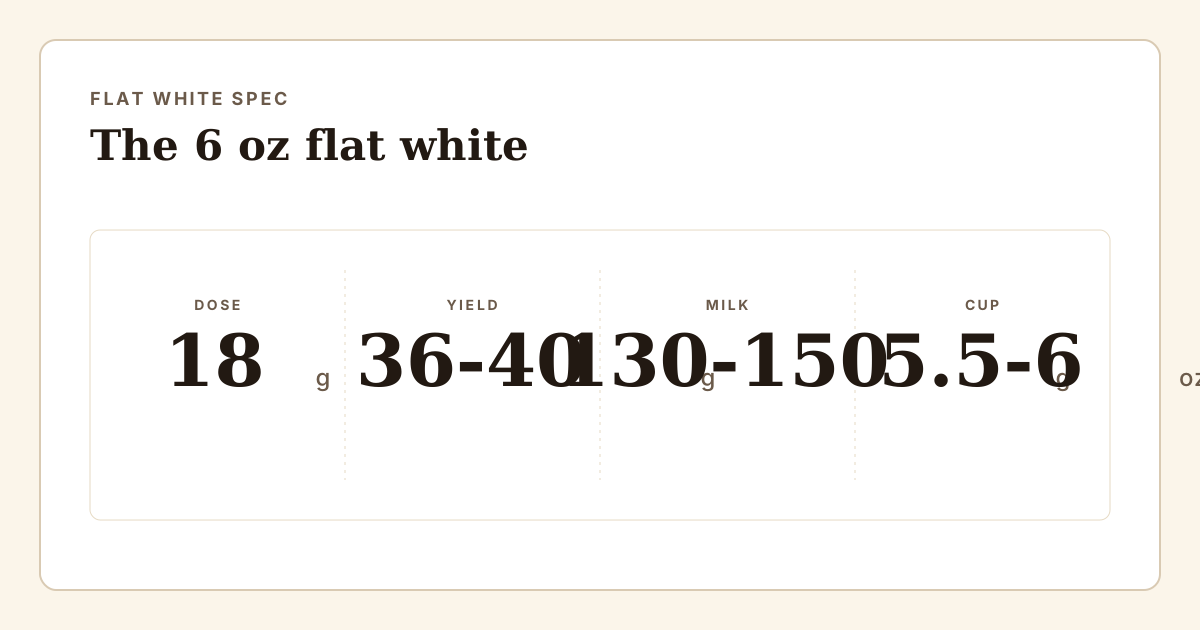
A flat white is a double ristretto or short double espresso (two shots, around 40 g out) topped with about 130 to 150 g of silky, barely-textured milk in a 5.5 to 6 oz cup, a coffee-to-milk ratio of roughly 1:3 by weight. The defining feature isn’t the size, it’s the milk: stretched only briefly so the foam layer ends up under 0.5 cm thick, glossy, and pourable as a single liquid with the espresso. Get the milk texture right and the drink makes itself. Get it wrong and you’ve made a small latte or a wet cappuccino.
If you’re new to steaming, read how to steam milk for latte art first. This guide assumes you can already produce wet paint texture; the flat white is mostly about restraint, ratio, and cup choice.
What a flat white actually is
The flat white came out of Australia and New Zealand in the 1980s and the spec has drifted since, but the version worth making at home is:
- Cup: 5.5 to 6 oz (160 to 180 ml). Tulip-shaped, ceramic, preheated.
- Espresso: double shot, often pulled short. 18 g in, 36 to 40 g out. Roughly 1:2 or slightly tighter.
- Milk: whole milk, steamed to 60 to 65°C (140 to 149°F), stretched only briefly so the microfoam layer is thin and integrated. About 130 to 150 g per drink.
- Ratio: roughly 1 part espresso to 3 parts milk by weight. A latte is 1:5 or milkier; a cortado is about 1:1.
- Total volume: the cup is full, around 160 to 180 ml. No empty space, no towering foam dome.
The drink sits between a cortado (smaller, more espresso-forward, almost no foam) and a latte (larger, more milk, thicker foam). Compared to a cappuccino, a flat white has less foam and more liquid milk, which is why it tastes more like coffee and less like a milky dessert.
The shorthand that works: a latte is milk with espresso in it. A flat white is espresso with just enough milk to round it off.
The recipe
1. Pull a double, slightly short
Dose 18 g, pull 36 to 40 g out in 25 to 30 seconds. Many cafes pull a double ristretto for flat whites (18 in, 28 to 32 out), which intensifies the espresso so it cuts through the milk. Try both on your bean and pick.
If your espresso disappears into the milk and the drink tastes flat, your shot is too long. Tighten the ratio before you change anything else.
2. Pour milk into the pitcher
For a single 6 oz flat white, pour cold milk to just below the spout’s lowest point in a 12 oz pitcher. That’s around 150 to 170 g. You want a small amount of waste, not a lot; over-pouring is the leading cause of overstretched flat-white milk because beginners feel obligated to use it all.
Whole milk is the right answer. The fat is what gives the drink its signature glossy body. Skim makes meringue. Oat is the best non-dairy substitute (Oatly Barista, Minor Figures) but produces a slightly thicker, sweeter drink.
3. Steam with restraint
The steaming mechanics are covered start to finish in how to steam milk for latte art. A flat white departs from that baseline in three ways:
- Cut the stretch short. The “tssss” air-injection phase should last 2 to 4 seconds, maximum. A latte gets 5 to 8 seconds; a flat white needs about half the air. This is the whole drink, so err toward too little rather than too much.
- Target 60 to 65°C (around the same 140°F window as the others). Stop when the pitcher base is uncomfortable to hold for more than a second.
- You’re aiming for a foam layer under 0.5 cm, thin enough to pour as a single liquid with the espresso. If you can see individual bubbles on the surface after swirling, you stretched too long: that’s cappuccino territory, not a flat white.
4. Pour low and steady
Pour from a few inches up to start, into the centre of the crema. Once the cup is about two-thirds full, drop the pitcher close to the surface and let the white milk surface through. This is where you can pour a small heart or rosetta if you want; most flat whites get a simple heart or a dot of foam in the centre.
The finished drink should have a thin ring of white at the top, no dome, and the cup full to within a few millimetres of the rim.
How it differs from related drinks
A practical comparison, because every cafe defines these slightly differently and the names don’t help:
- Cortado: ~4 oz total. 1:1 espresso to milk by volume. Almost no foam. More espresso punch.
- Flat white: ~6 oz total. Double (often ristretto) plus textured milk. Thin microfoam layer. Espresso-forward but rounded.
- Cappuccino (traditional): ~6 oz total. Equal parts espresso, steamed milk, foam. Distinct foam dome. Drier mouthfeel.
- Latte: 8 to 12 oz. Same espresso, much more milk, slightly thicker foam (around 1 cm). Milkier, softer.
The flat white and cappuccino are the same total volume in most cafes. The difference is all in the milk texture: cappuccino milk is stretched longer and stays as a distinct foam layer; flat white milk is stretched briefly and integrates into a single textured liquid. If the foam dome is what you’re after, see how to make a cappuccino at home; this guide is about the thinner, coffee-forward pour.
Cup choice matters more than you’d think
A flat white in a 10 oz latte cup is a small latte. Drink size is defined by the cup, and stretching a small amount of milk into a large cup forces you to either overstretch (to fill it) or under-fill (to keep the texture right). Neither works.
Buy a set of 5.5 to 6 oz tulip cups if you’re going to make this drink regularly. Notneutral Lino 6 oz, Acme & Co 6 oz, and Loveramics Egg 5.5 oz are the standard recommendations. Ceramic, preheated under the group head or with a splash of boiling water, holds temperature far better than a cold cup.
A cold cup drops finished drink temperature by 5 to 10°C, which on a 60°C flat white means you’re drinking it lukewarm. Preheat every time.
Common mistakes
Overstretching the milk. The single most common flat white mistake. People learn to steam on lattes (where 5 to 8 seconds of stretch is correct) and apply the same instinct to a flat white. Stop the air phase early. Two to four seconds, then submerge.
Using a latte cup. A 10 to 12 oz cup turns the drink into a small latte regardless of how you steam. The cup is part of the recipe.
Pulling a normal-length double and drowning it. 36 g of espresso into 130 g of milk is on the edge of tasting milky. If the drink doesn’t taste like coffee, pull a ristretto next time (18 in, 28 to 32 out) and the espresso will reassert itself.
Skipping the swirl. Tap and swirl until the milk looks like wet paint again before pouring; skip it and you get a foam disc floating on hot milk.
Letting the foam layer get thick. If you end up with more than half a centimeter of foam on top of the finished drink, that’s a cappuccino. The foam should be a thin, glossy skin, not a layer you can spoon off.
Troubleshooting
My flat white tastes like warm milk with a coffee aftertaste. The espresso is too long, the milk is too much, or both. Try a 1:1.5 ratio (18 in, 27 out) and check that you’re using a 6 oz cup, not larger. If the cup is correct, the shot is the problem.
The milk has big bubbles I can’t get rid of. You stretched too long. Restart with fresh cold milk; oversized bubbles mean the structure is wrong throughout and swirling won’t save it.
I can’t pour latte art on it because the milk feels too thin. Flat white milk is thinner than latte milk by design. If you want crisp art, stretch a touch longer (3 to 4 seconds instead of 2) and pour from closer to the surface. Don’t push past 4 seconds or you’ve made latte milk.
The drink is the right size but the espresso disappeared. Your shot is under-extracted or your milk is over-stretched and sweetening the drink. Taste the espresso alone first; if it’s sour or weak, fix the dial-in. If the espresso is good on its own, cut the stretch time and try again.
My milk scalds and tastes cooked. You went past 65°C. Cut steam when the pitcher base is uncomfortably hot to hold for a second, not when it’s untouchable.
I’m using oat milk and it splits in the cup. Some oat milks curdle when they hit acidic espresso, especially light roasts. Use a barista-formulated oat milk (Oatly Barista, Minor Figures, Califia Barista Blend), steam to slightly lower temp (around 55 to 60°C), and pour as soon as it’s textured. Don’t let steamed oat milk sit; it separates fast.
Frequently asked
Flat white vs latte: what's the actual difference?
Size and milk texture. A flat white is around 6 oz with barely-stretched milk (under 0.5 cm of foam) so the drink tastes coffee-forward. A latte is 8 to 12 oz with more milk and a thicker microfoam layer, tasting milkier and softer. Same espresso, different cup and different stretch time.
Flat white vs cappuccino?
Same total volume in most cafes (around 6 oz). The cappuccino has a thick distinct foam dome from longer stretching; the flat white has a thin glossy layer that pours as one liquid. Cappuccino tastes drier and foamier, flat white tastes like espresso rounded with milk.
Do I have to pull a ristretto?
No, but it helps. A 1:2 double (18 in, 36 out) works fine on most beans. Going slightly shorter (1:1.5 to 1:1.8, so 27 to 32 g out) concentrates the espresso so it doesn't get drowned by the milk. Try both, pick what tastes better on your bean.
Can I make a flat white without a steam wand?
Not really. Handheld milk frothers and French-press techniques produce foam, not microfoam, and the texture of a flat white is the entire point of the drink. If you don't have a steam wand, you can make a fine cafe au lait or a macchiato, but not a proper flat white.
Why does my flat white taste different than the cafe version?
Cafes pull on dialed-in machines with fresh beans, into preheated cups, with milk steamed at higher pressure than home wands produce. The closest you'll get at home is: preheat the cup aggressively, use whole milk straight from the fridge, and don't over-stretch. Even then, home wands have less steam pressure and the texture will be slightly different. That's normal.
What size cup do I actually need?
5.5 to 6 oz (160 to 180 ml). Notneutral Lino 6 oz, Loveramics Egg 5.5 oz, and Acme 6 oz tulip are the standard picks. Avoid anything over 7 oz; the drink size is defined by the cup and a bigger cup forces you to either overstretch or under-fill.
How many shots of espresso are in a flat white?
Two. The standard flat white is built on a double shot (18 g in, 36 to 40 g out), often pulled ristretto. Ordering a "double shot flat white" is ordering the default. A single shot disappears into 130 g of milk, and a triple pushes you into a bigger cup, which turns the drink into a small latte.
What's the flat white ratio of coffee to milk?
Roughly 1:3 to 1:4 espresso to milk by weight: 36 to 40 g of espresso under 130 to 150 g of barely-textured milk, filling a 160 to 180 ml cup. For comparison, a cortado is about 1:1 and a latte runs 1:5 or milkier. If you remember one number, make it this: a double shot plus about three times its weight in milk.
What are the ingredients in a flat white?
Two ingredients only, a double shot of espresso and steamed whole milk. No syrup, no chocolate dusting, no separate foam layer. What distinguishes it from a latte or cappuccino is not the ingredient list but the milk texture and the small cup.
What is a skinny flat white?
The same drink made with skim milk. It saves around 60 to 70 calories but costs texture, because milk fat is what gives flat-white milk its glossy, dense body; skim stretches into stiffer, drier foam. Commercial wands can partly compensate with higher steam pressure, home wands mostly cannot. Semi-skim or a barista oat milk gets you closer to the real texture.