
How to backflush an espresso machine
The weekly water cycle and monthly detergent cycle that keep the group head, shower screen, and three-way valve clean on any prosumer machine.
What you'll need
- A blind basket (backflush disc) : 58mm for most prosumer machines. Breville 54mm machines use the rubber cleaning disc that came in the box instead. Under $15 if yours didn't come with one.
- Cafiza or Puly Caff detergent : Sodium percarbonate based, safe for brass and stainless. A single tin lasts a year or more at 2 g per monthly cycle.
- A 1/2 teaspoon measuring spoon : The scoop that comes in the detergent tin is usually oversized. Use a real measuring spoon.
- A group brush : For the outside of the shower screen and the group gasket. Cheap nylon-bristle brushes are fine.
TL;DR
Backflushing forces water backward through the group head to flush oils and grounds from the shower screen, three-way valve, and group internals. Do it weekly with water alone (no chemical) and monthly with espresso machine detergent (Cafiza or similar). You need a blind basket (a solid, no-holes portafilter basket) and an E61 or solenoid-valve machine. Vibratory-pump machines without a three-way valve can’t be backflushed; check your manual first.
The whole routine takes five minutes. Skip it and your shots pick up a rancid, ashy edge within a couple of months, and the three-way valve eventually sticks.
What backflushing actually does
When you pull a shot, water goes forward: pump to boiler to group to puck to cup. Coffee oils and fine grounds end up in three places you can’t reach from the outside: the underside of the shower screen, the dispersion block above it, and the three-way solenoid valve that releases pressure after the shot.
Backflushing reverses the flow. With a blind basket locked in, the pump builds pressure against a sealed portafilter, then when you stop the pump, the three-way valve dumps that pressurized water backward through the group and out the drip tray drain. Oils and grounds get pushed out the same way they came in.
This only works on machines with a three-way valve (or an E61 group, which is mechanically similar). That’s most prosumer machines: Rancilio Silvia, Gaggia Classic Pro, Breville Dual Boiler, every E61 machine (Rocket, Lelit Mara X, Profitec, ECM). Breville’s mid-range 54mm machines (Barista Express, Bambino Plus) also have one; their manuals call backflushing the “cleaning cycle” and use the included rubber cleaning disc and tablets instead of a blind basket. It does not work on machines without a three-way valve, like the original Bambino. On those, running a backflush cycle just dead-heads the pump against the blind basket and stresses it. Check your manual: if it doesn’t mention backflushing or a cleaning cycle, don’t invent the procedure.
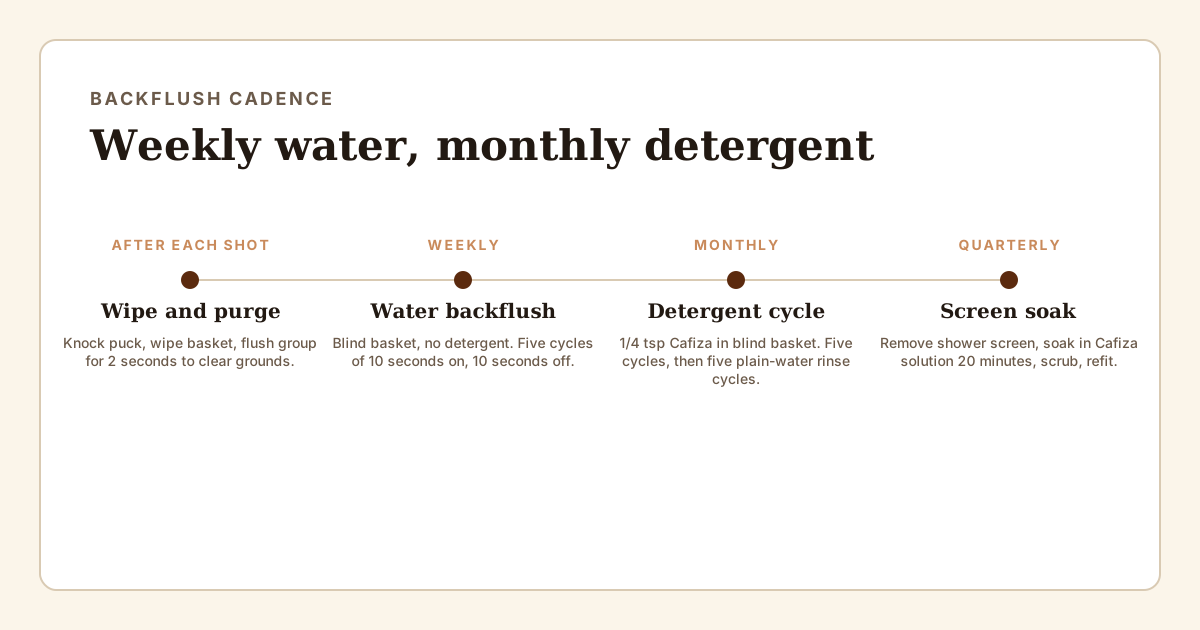
Backflushing is one line item in the broader cleaning schedule; this guide is the how-to for that line item.
What you need
- A blind basket. Sometimes called a backflush disc or a blank basket. It’s a portafilter basket with no holes. Most prosumer machines ship with one; if yours didn’t, a generic 58mm blind basket is under $15. Breville 54mm machines need the Breville-specific one.
- Espresso machine detergent. Cafiza (Urnex) is the standard. Puly Caff is the European equivalent. Both are sodium percarbonate based and safe for brass, stainless, and aluminum group heads. Do not use dish soap, OxiClean, or descaler for this. Descaler is an acid and attacks brass; dish soap leaves surfactant residue that tastes like soap for weeks.
- A small measuring scoop. Detergents dose by volume. Cafiza is a level 1/2 teaspoon (about 2 g) per backflush cycle. More is not better; excess residue is harder to rinse out.
The weekly water-only cycle
Do this at the end of your last shot session of the day, when the machine is already hot.
- Remove the portafilter, knock out the puck, wipe the basket.
- Drop the blind basket into the portafilter (in place of your normal double basket).
- Lock the portafilter into the group. No detergent, no coffee.
- Start the brew for 10 seconds, then stop.
- Wait 10 seconds with the portafilter still locked in. You’ll hear the three-way valve hiss as it releases pressure into the drip tray.
- Repeat steps 4 and 5 four more times. Five cycles total.
- Remove the portafilter, swap back the normal basket, wipe the group gasket, and you’re done.
The water-only cycle takes about two minutes and clears grounds and light oil buildup. It’s the single highest-value weekly maintenance task on any three-way-valve machine.
The monthly detergent cycle
Same procedure, with detergent in the blind basket and a rinse cycle after.
- Blind basket in portafilter, add 1/2 teaspoon of Cafiza (about 2 grams) into the basket.
- Lock in, run 10 seconds on, 10 seconds off, five times. The pressurized water dissolves the detergent, and the three-way valve pumps it backward through the group internals.
- Unlock the portafilter. The blind basket will have brown or black residue floating in the remaining water. Rinse the basket clean under the tap.
- Rinse cycle: put the empty (no detergent) blind basket back in and run five more 10-on / 10-off cycles with plain water. This is not optional. Detergent residue in the group tastes chemical and bitter for days.
- Pull a throwaway shot with your normal basket and a fresh puck. Dump it. The first shot after backflushing sometimes carries loosened gunk; you don’t want it in your cup.
If your rinse water is still cloudy or brown after five rinse cycles, add another five. Some machines that haven’t been backflushed in a year need three or four detergent cycles the first time before the water runs clean.
Common mistakes
Using vinegar or citric acid instead of detergent. These are descaling agents. Vinegar is acidic enough to pit brass and eat solenoid seats. Backflushing removes oils, which is a job for an alkaline detergent, not an acid. Descaling addresses scale (calcium buildup) and is a separate procedure covered in how to descale your espresso machine.
Backflushing a machine that doesn’t have a three-way valve. On machines without one (the original Breville Bambino, most De’Longhi pump machines, all Nespresso), locking in a blind basket and running the pump just builds pressure against a dead end and stresses the pump seals. If your machine’s manual doesn’t mention backflushing or a cleaning cycle, it doesn’t support it. Wipe the shower screen with a group brush instead.
Overdosing the detergent. A level 1/2 teaspoon of Cafiza is enough. A heaping scoop isn’t more effective; it just needs more rinse cycles and leaves more residue. If the tin’s scoop looks huge, ignore it and use a measuring spoon.
Skipping the rinse cycles. The next three shots taste like soap and you blame the beans. Always run at least five plain-water cycles after any detergent cycle, and dump the first real shot afterward.
Backflushing daily. Weekly with water and monthly with detergent is enough for two-to-four drinks a day. Daily detergent backflushes accelerate wear on the three-way valve and the group gasket without cleaning anything more. Restraint matters.
Ignoring the group gasket while you’re in there. The rubber gasket that seals the portafilter to the group hardens and shrinks. If the portafilter is sitting well past 6 o’clock when locked, or you see drips from the sides during a shot, replace the gasket. It’s a $5 part and a 10-minute job on most machines.
Troubleshooting
My shots taste ashy or rancid and I backflush weekly. Check the shower screen. Unscrew it (usually one central bolt or three perimeter screws) and look at the underside. If it’s coated in dark brown or black, backflushing alone isn’t reaching it; soak the screen in a Cafiza solution for 20 minutes and scrub with a group brush. Do this quarterly regardless.
Water leaks past the portafilter during backflushing but not during shots. Backflushing puts more sustained pressure on the gasket than a normal shot does, so a marginal gasket leaks first here. Replace the group gasket. If it’s an E61, the gasket is a standard 8mm or 8.5mm silicone or rubber ring; check your model.
The three-way valve doesn’t hiss when I stop the pump. Either the valve is stuck (from oil buildup, ironically, which more backflushing will fix) or the machine doesn’t have one. If you’re sure it has one and it’s silent, run three consecutive detergent backflushes. If still silent, the solenoid may need service. A stuck three-way valve also shows as a wet puck after every shot; the pressure isn’t releasing before you unlock.
Brown water still comes out after ten rinse cycles. Either the machine has never been backflushed and needs a few days of detergent cycles to fully clean, or the “brown” is actually rust from the boiler (worst case) or scale being loosened. Descale first (see the descaling guide), then re-backflush. If it’s rust, that’s a service issue.
I broke my pump / heard a loud bang during backflushing. You almost certainly backflushed a machine that doesn’t support it, or the OPV (over-pressure valve) failed. Stop, unplug the machine, and check the manual. Vibratory pumps can survive occasional dead-heading but rotary pumps and some cheaper vibratory pumps cannot.
How do I know if it’s working? Pull a bottomless shot the day before you backflush and the day after. The pre-backflush shot often looks slightly darker at the edges and tastes flatter. If you can’t tell the difference, your machine wasn’t dirty enough to need it that week; stretch to biweekly water cycles.
Frequently asked
Can I backflush a Breville Bambino or Barista Express?
The Barista Express and Bambino Plus, yes. Both have a three-way solenoid valve, and Breville calls the procedure the "cleaning cycle" in the manual, using the included rubber cleaning disc and tablets instead of a blind basket and loose detergent. The original Bambino, no. It has no three-way valve, so there's nowhere for the pressure to release; clean its shower screen with a group brush and a Cafiza soak instead.
How often should I actually backflush?
Water-only cycle once a week if you pull 2-4 drinks a day. Detergent cycle once a month. Heavy users (10+ shots a day) can go water-daily and detergent-biweekly. Light users (a few shots a week) can stretch to detergent every 6-8 weeks.
Is backflushing the same as descaling?
No, and confusing them causes real damage. Backflushing removes coffee oils from the group with alkaline detergent. Descaling removes mineral scale from the boiler with a mild acid. Different chemicals, different parts of the machine, different frequencies.
Can I use OxiClean or dishwasher tablets instead of Cafiza?
Some home baristas do, and OxiClean Free is chemically similar to Cafiza (both are sodium percarbonate based). The risk is fragrance, brighteners, or surfactants in the household versions. A tin of Cafiza is under $15 and lasts a year. Use the right product.
My machine has an E61 group. Any different procedure?
Same procedure, but E61 groups have a mechanical three-way lever rather than a solenoid, so you'll hear a physical click rather than a solenoid buzz when pressure releases. The 10-on / 10-off cycle timing is identical. E61 groups also benefit from removing the shower screen and mushroom quarterly for a full soak.